Case study, 2nd place, Miami Hack Week

Working hackathon prototype, 5-day sprint

Neo Sapiens. Making a swarm of AI agents readable.

In five days, our team built a platform that creates specialist agents, breaks a complex request into tasks, and shows the agents collaborating in real time. I led the interface design and the story we presented to judges.

  • UI
  • Product
  • AI
  • Figma
  • Devpost
  • Claude
  • Codex
  • Cursor
  • Copilot
Neo Sapiens collaborative AI agent presentation and architecture overview
Role
Lead designer
Duration
5 days
Team
Design + engineering
Result
2nd of 20+ teams
  1. 01 — FrameMake AI orchestration legible
  2. 02 — ScopeBuilders, operators, and judges
  3. 03 — DecideHierarchy before transcripts
  4. 04 — BuildLive status beside the system map
  5. 05 — Result2nd place in a 5-day sprint
Final experience

A control surface for collaborative agents

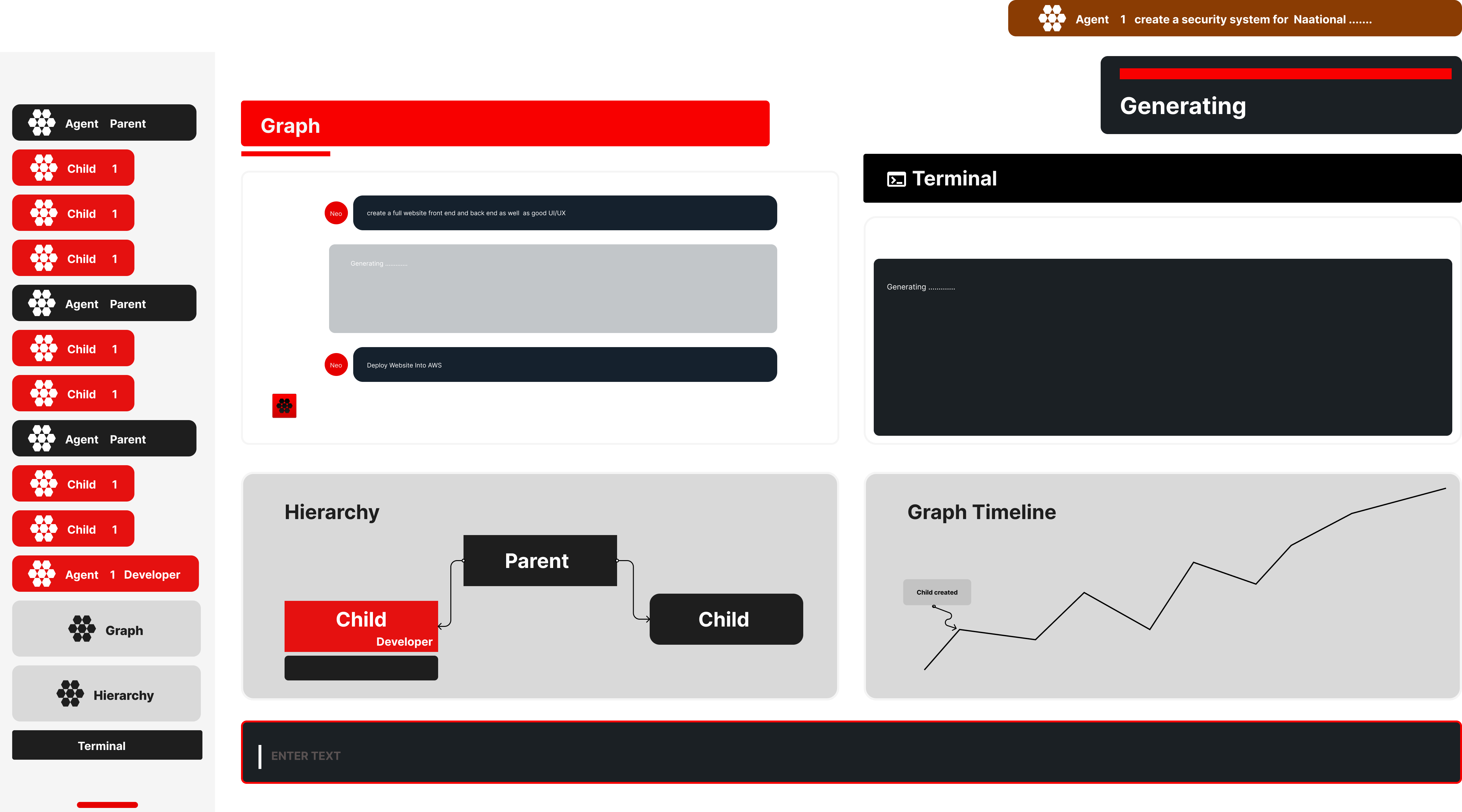
Neo Sapiens collaborative AI agent workspace dashboard

Problem framing

Make orchestration understandable to builders and operators.

The prototype combined open-source AI tools, swarm logic, orchestration frameworks, terminal output, and a browser-extension entry point. The interface had to translate that stack into a mental model a first-time user could inspect.

Hierarchy visibility

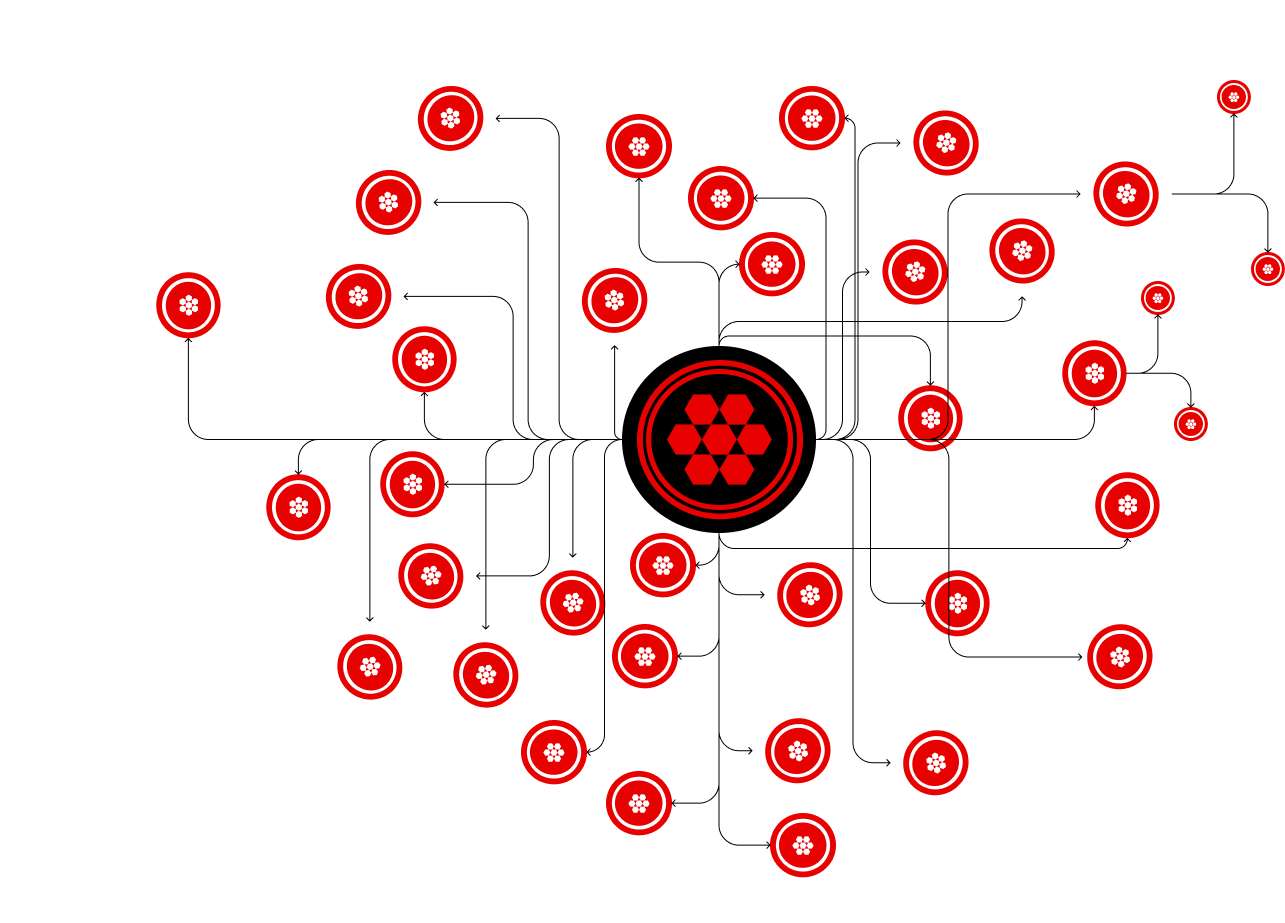
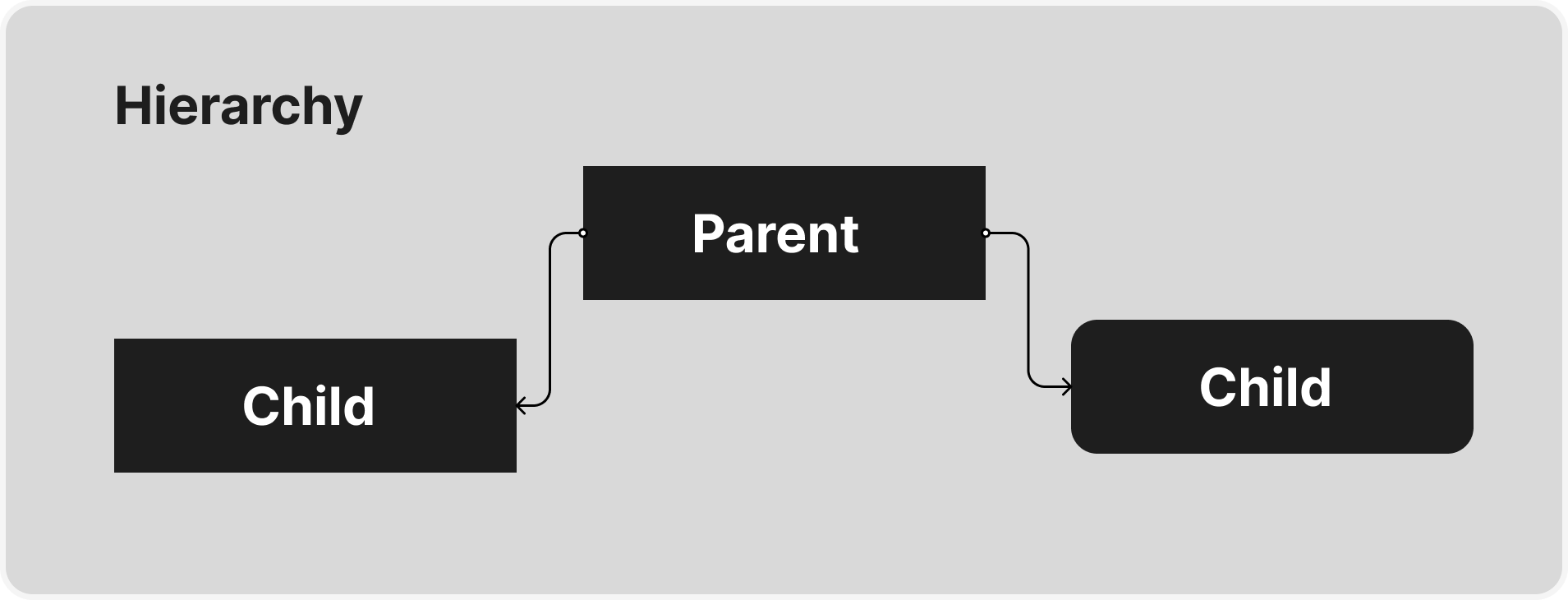
Make the parent agent's plan obvious so users immediately see how a single complex prompt was decomposed into subtasks.

Live execution status

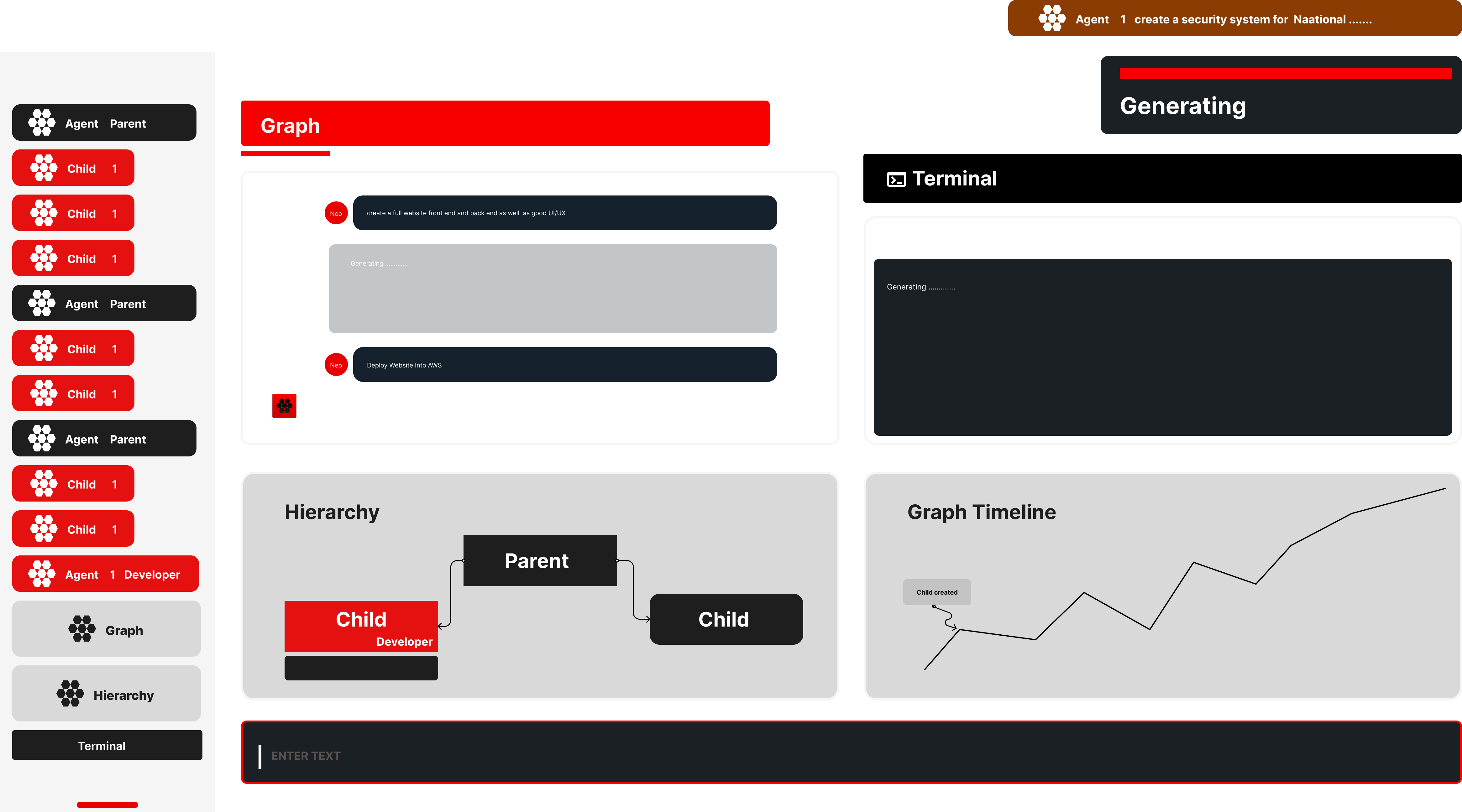
Show terminal output and state changes alongside the active specialist agent, eliminating mysterious black-box pauses.

Judging clarity

Structure the control surface so anyone watching a 3-minute hackathon pitch could follow what the swarm was doing in real time.

Design direction

The interface evolved inside the build.

Wireframes in Figma, presentation frames, and the working product were refined together as the agent behavior changed.

Neo Sapiens agent workspace overview
Agent workspaceSystem view
Neo Sapiens working interface
Working interfaceFinal prototype

Outcomes

What the prototype proved

2ndPlace at Miami Hack Week among more than twenty teams
5 daysFrom problem framing to a working presentation
LiveAgent hierarchy, progress, and output visible in one workspace
PressRefresh Miami named NeoSapiens the runner-up

Press

The pitch, then the write-up.

Refresh Miami covered Miami Hack Week 2024 and named NeoSapiens the runner-up: swarm intelligence, specialist agents, a problem broken into work each agent could own.

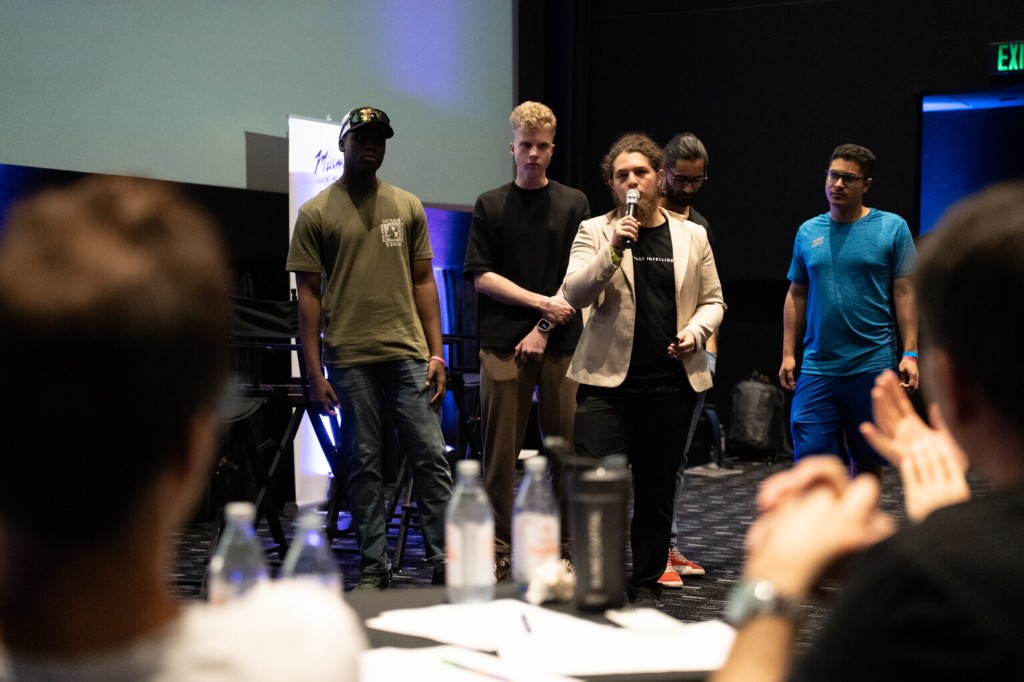
The Neo Sapiens team presenting on stage at Miami Hack Week 2024
On stageMiami Hack Week 2024

Refresh Miami, April 13, 2024

"We're looking at how we can explore these tools to solve tomorrow's problems."

Anayansy Hernandez, on the runner-up: a system that creates domain-expert agents, splits the problem, and assigns each piece. Kye Gomez for the team.

Read the article

Context

The system was powerful. The mental model was the product problem.

Neo Sapiens turns one broad request into work for multiple domain-focused agents. Without a clear interface, that orchestration becomes a stream of model output that users cannot inspect or trust.

My job was to make the hierarchy visible: what the parent agent understood, which specialists it created, what each one was doing, and how their work returned to the main task.

Constraints

Five days, changing technology, one judging session.

The interface had to evolve alongside the orchestration logic. We could not design an idealized workflow that engineering could not demonstrate. Every screen had to help both the person using the tool and the audience seeing it for the first time.

Decisions

Three decisions that made the system legible

Hierarchy before transcript

A chat log hides the division of work. The interface leads with parent and child agents so users can see how the request was decomposed.

State beside structure

Graph, terminal, and generation state share the workspace. Users can connect a visible agent to the work happening now.

Design inside the build

I worked with developers throughout the sprint and adjusted the prototype as the technical behavior changed, instead of handing over a fixed set of screens.

Reflection

A clear model matters more than an impressive animation.

The project taught me to design the explanation and the interaction together. With more time, I would test whether first-time users can identify a failed agent, understand its effect on the parent task, and recover without reading the terminal.

Next

Read2Text

Research and UX with real users, students and speech-language specialists.

Next case All work